
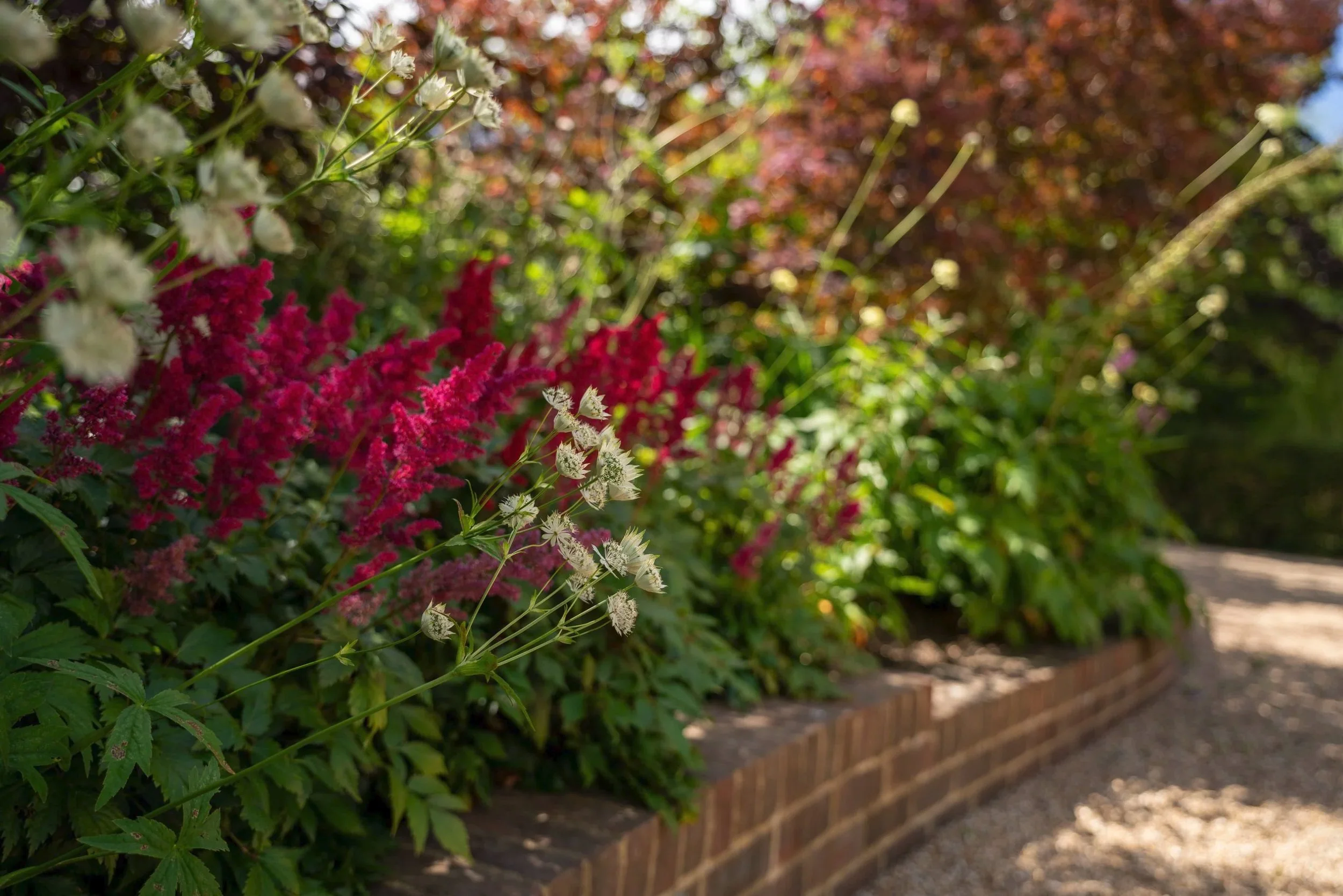
Garden Stewardship in Surrey
Paul Studholme offers ongoing specialist oversight for plant-led gardens across Surrey, visiting through the growing season to manage planting development, guide pruning timing, and ensure the design matures as intended. The Plant Hunter’s Stewardship works alongside whoever looks after the day-to-day maintenance, providing the plant knowledge that general gardening cannot reliably supply. Based in East Horsley.
Who this is for: clients with recently completed plant-led gardens in the first three years after installation, or established plant-led gardens where planting is not developing as it should. Most Stewardship clients already have a maintenance gardener. Stewardship is not a replacement for regular gardening; it is the specialist layer on top.
What Stewardship is
A planted garden does not stand still. The first three years after installation are when it either comes into its own or starts to unravel, and which way it goes depends largely on how it is managed during that period.
Stewardship exists because a planted garden is still developing long after installation day.
The Plant Hunter’s Stewardship is ongoing specialist oversight for plant-led gardens after completion. It is not a maintenance contract. It is the continuation of the design process into the growing seasons that follow.
For clients starting a new garden from scratch, the Garden Design page explains how the design process works. Stewardship is what comes after.
What Stewardship is not
Stewardship is not weekly maintenance gardening. It does not replace the person who cuts the lawn, sweeps the paths and keeps the garden tidy. Paul visits to observe, assess and guide, not to carry out routine upkeep. The value is in knowing which plants need intervention at which point in the season, and what that intervention should be. That is different from general gardening, and the two work best alongside each other.
Why gardens change after planting
When a garden is finished and handed over, everything is in the right place. The bones are there. The planting is in the ground. But a planted garden is a living system, and it begins changing from the first week.
Verbena bonariensis self-seeds freely, which is part of its character, but unchecked it overwhelms lower-growing plants nearby. Nepeta spreads and flops without a timely cut. A Hydrangea paniculata left unpruned for two or three seasons stops performing as a structural presence and becomes a tangle of weak stems. Perennial clumps that were carefully spaced at planting start competing for light. Ground-level planting closes over and suppresses the smaller specimens beneath.
None of this happens overnight. It happens slowly, season by season, and by the time it is visible it has usually been building for a while.
Irrigation systems drift quietly out of adjustment too. Emitter heads shift. Programming set for establishment conditions stays unchanged as plants mature. Drip lines get physically moved as ground-cover planting closes over them. A system that was working well at the end of year one is often under- or over-watering specific zones by year two.
See the Irrigation page for more on how Paul approaches irrigation maintenance.
Why generic maintenance often fails plant-led gardens
Most garden maintenance operates on a routine. Lawns are cut on a schedule. Hedges are trimmed twice a year. Everything gets a tidy up in spring and a cutback in autumn. For a conventional garden with simple planting, that approach is adequate. For a plant-led garden, it can be quietly destructive.
Stipa gigantea should not be cut hard to the base. It is semi-evergreen and the old stems hold the plant's structure through winter and into the following year. Cut it too early or too aggressively and it takes seasons to recover. Carpinus betulus trained as pleached screens needs precise formative pruning; pleached hornbeam can thicken unevenly across a panel if the formative cuts are not made at the right moment in the right place. Taxus baccata is forgiving up to a point, but cut into old wood at the wrong time of year and recovery is slow. Pittosporum tobira responds best to a light, considered cutting that respects its natural form.
Tree ferns are another plant that general maintenance routinely gets wrong. Dicksonia antarctica needs its crown wrapping before the first hard frost; a single unprotected winter can kill a plant that took years to establish. The wrapping also needs to come off at the right point in spring so the new fronds can unfurl properly. Left on too long it creates its own problems. Knowing when to act is the point.
The problem is not that general maintenance gardeners are careless. Most are not. The problem is that plant-led gardens ask for plant knowledge, and that knowledge takes years to develop.
What The Plant Hunter’s Stewardship includes
Stewardship takes three forms depending on what a garden needs. All three involve Paul visiting the garden, assessing how the planting is developing, and providing direct guidance either to the client or to whoever manages the day-to-day work. The level of involvement is agreed at the outset and reviewed as the garden matures.
Working alongside existing gardeners
Most clients who take on Stewardship already have someone who manages the garden on a regular basis. Paul can meet with the gardener directly, walk the garden with them, and explain the reasoning behind the management approach. In practice, most gardeners welcome this; it gives them confidence and changes how they look at the planting.
How gardens improve with age when managed properly
The gardens that age best are the ones that continue to be observed. A well-designed plant-led garden should look better in three years than it did at year one. The planting fills in, the structure becomes more resolved and perennials find their rhythm.
A Hydrangea paniculata 'Limelight' trained as a small standard needs the right pruning in late winter to produce the flowering it is capable of. Verbena bonariensis needs to be allowed to self-seed in some places and edited back in others. Nepeta needs cutting back hard after its first flush to produce the repeat flowering that justifies its place at path edges. Amelanchier lamarckii and trained Carpinus betulus screens put on meaningful growth and begin to read as the structural elements they were always intended to be.
Paul takes on a limited number of Stewardship gardens each year. The gardens he stays involved with are primarily the ones he designed, and the intention is that the relationship continues from completion into the years that follow.
Gardens under Stewardship
-
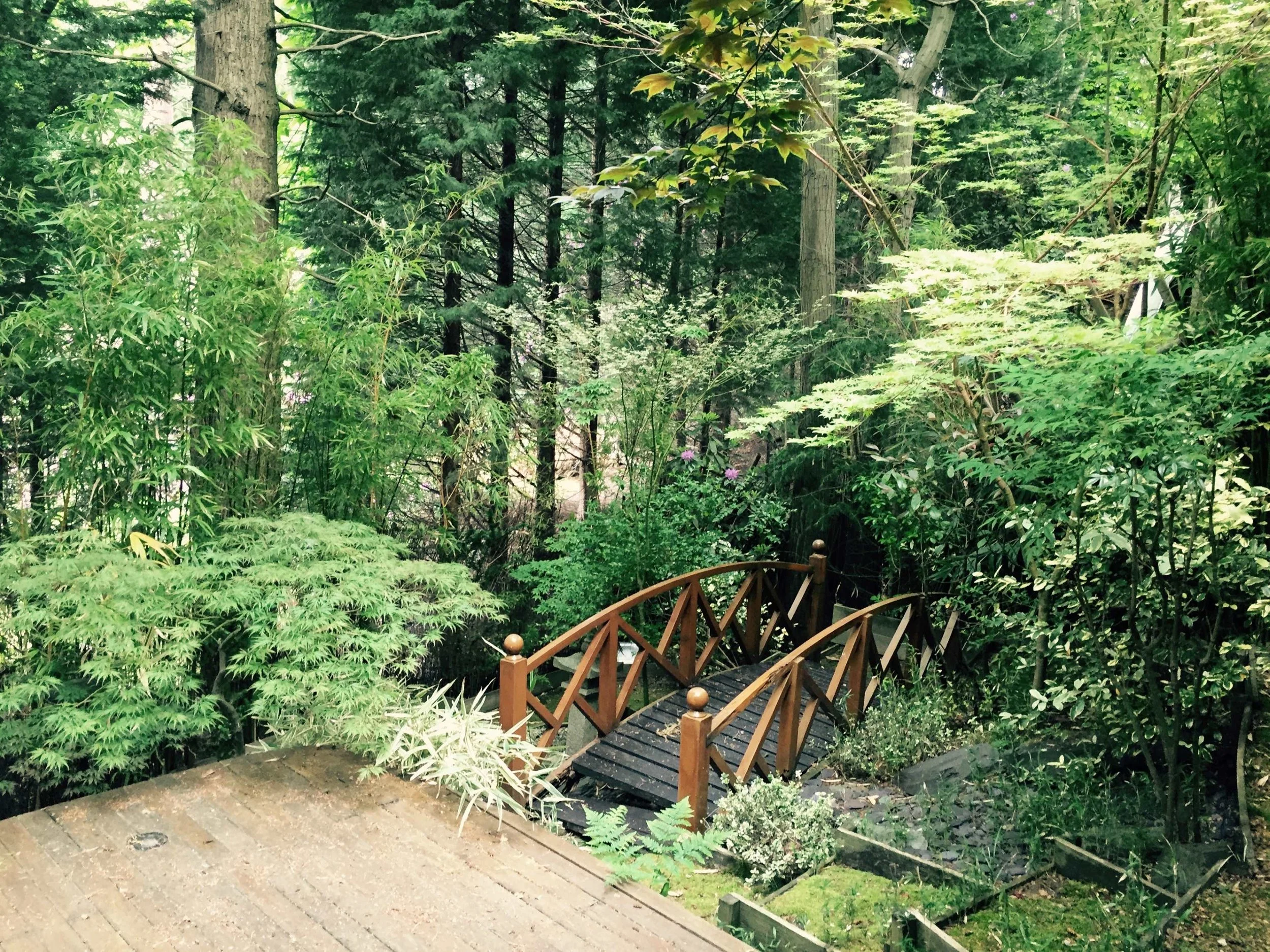
Japanese garden St Georges Hill
Paul has overseen one long-standing client's garden in St Georges Hill since it was first planted over 20 years ago. Twice-annual visits have kept the planting on track through every subsequent season: what to prune and when, what to renew, what to leave alone. A garden in this style holds its shape through timed, considered work rather than routine tidying. That kind of long-term involvement is what Stewardship is built around.
-
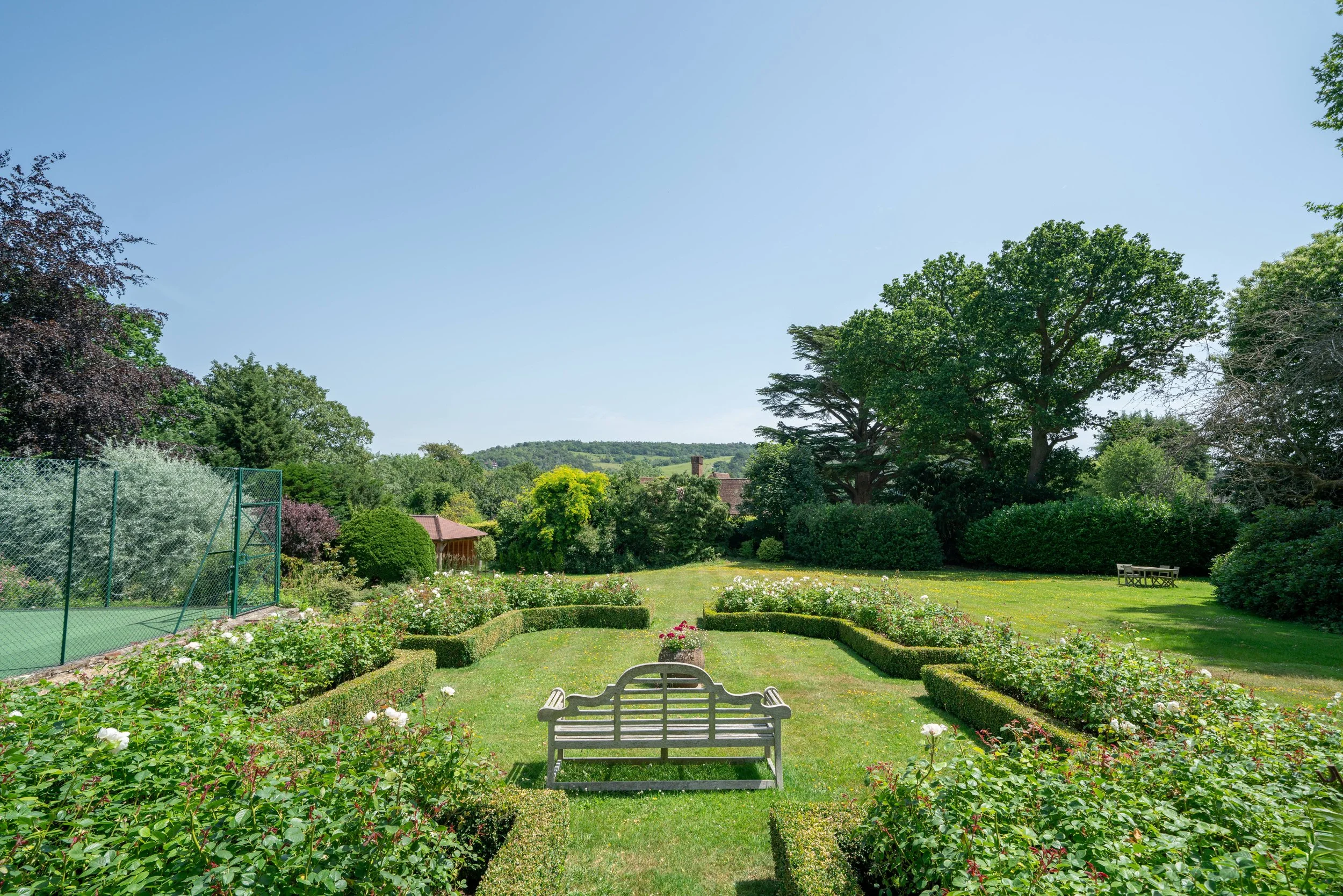
A garden stewarded below Box Hill, Westhumble
Paul has looked after this naturalistic garden for nine years. The planting is led by grasses, Miscanthus sinensis 'Morning Light' and Calamagrostis x acutiflora 'Karl Foerster' among them, with flowering cherries carrying the spring. The grasses want cutting back at the right moment in late winter, not to a calendar; clumps need dividing as they age; self-seeders need editing so the balance holds, rather than one plant slowly taking the garden over. Nine years of that rhythm is why the garden reads better now than it did in its first seasons. That is what Stewardship is: the same eye that chose the planting, returning as it matures.
-
Ongoing specialist oversight for plant-led gardens after installation. Paul visits through the growing season to manage planting development, guide pruning timing, check irrigation, oversee winter protection of tender plants, and ensure the design matures as intended.
-
No. Stewardship is specialist oversight from the designer, not general garden maintenance. It works alongside whoever manages the day-to-day upkeep, providing plant knowledge and guidance rather than replacing routine care.
-
It depends on the level agreed. The Stewardship review is one annual visit. Seasonal Stewardship is four visits timed to the growing season. Full Stewardship involves ongoing visits through the year as the garden requires.
Frequently Asked Questions
-
Yes, when availability allows. Priority goes to gardens Paul has designed, and Stewardship places are limited each year. If you have an established plant-led garden that is not developing as it should, get in touch to discuss it.
-
The same catchment as Paul’s garden design work: East Horsley, Cobham, Weybridge, Virginia Water, Guildford and the surrounding villages.
Discuss your garden
Stewardship availability is limited each year. If you have a recently completed garden, or a plant-led garden that is not developing as you hoped, get in touch to discuss it.
Call Paul: 07774 259570