
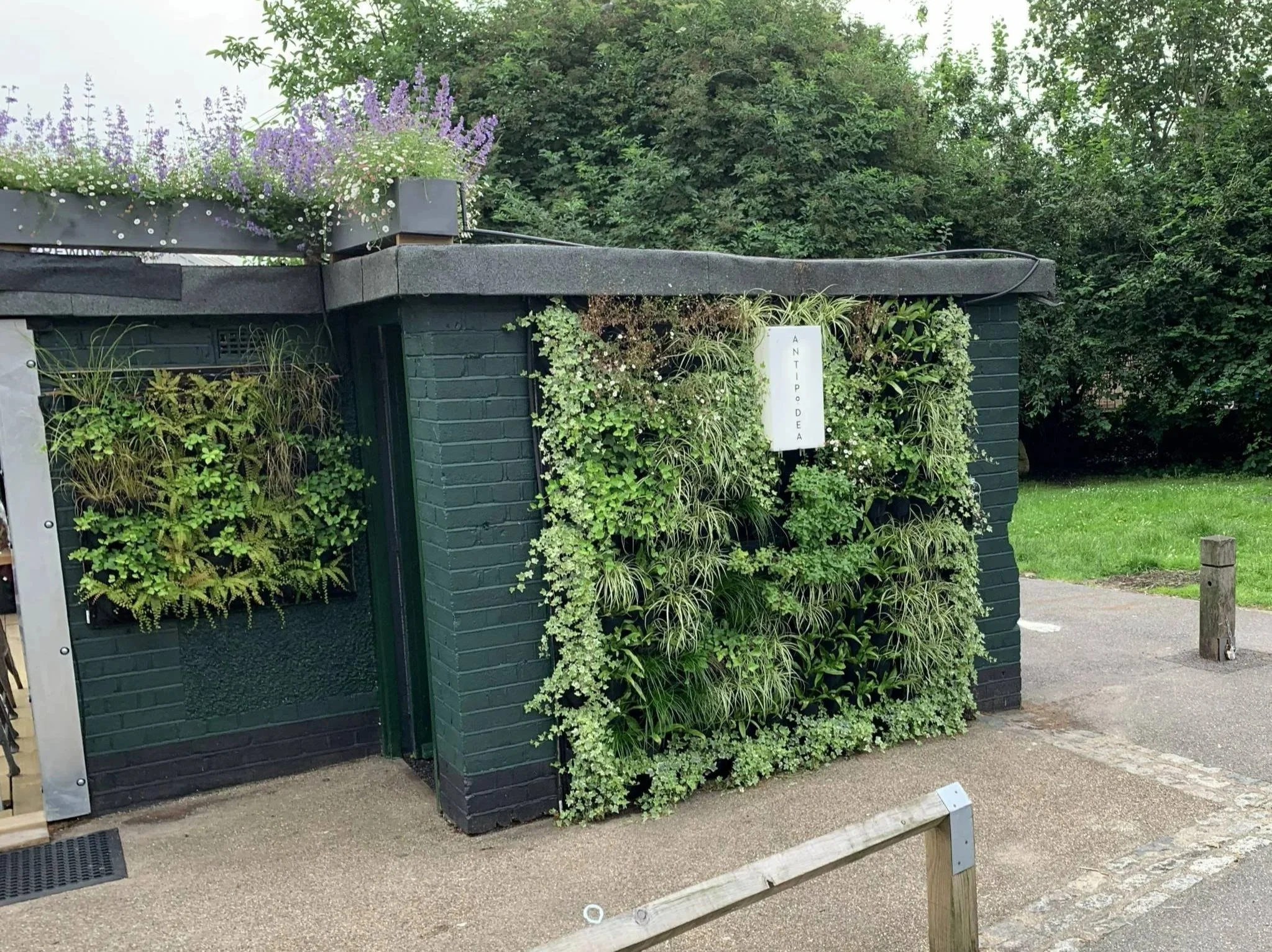
Living wall at Radnor Gardens Cafe, Twickenham
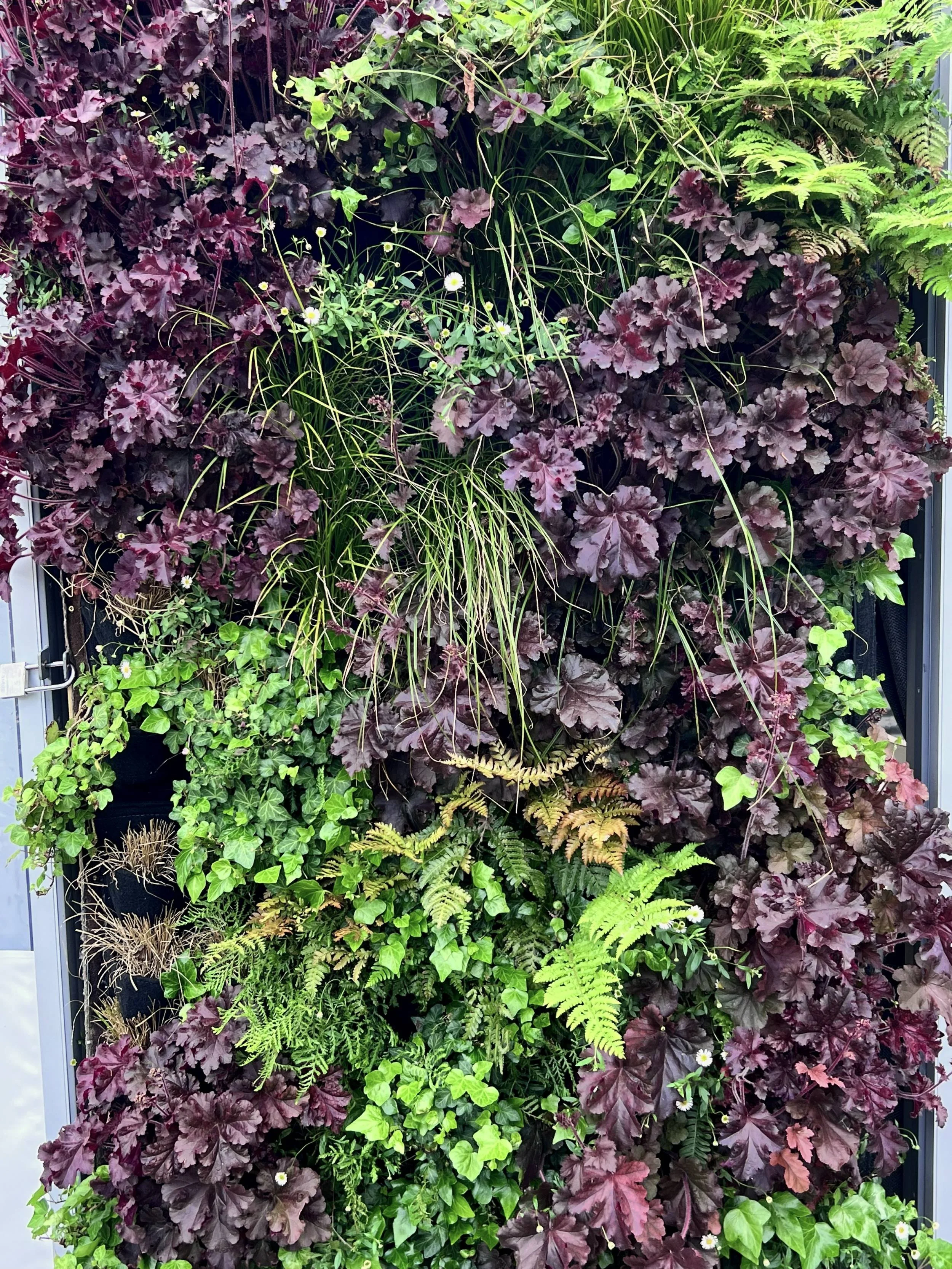
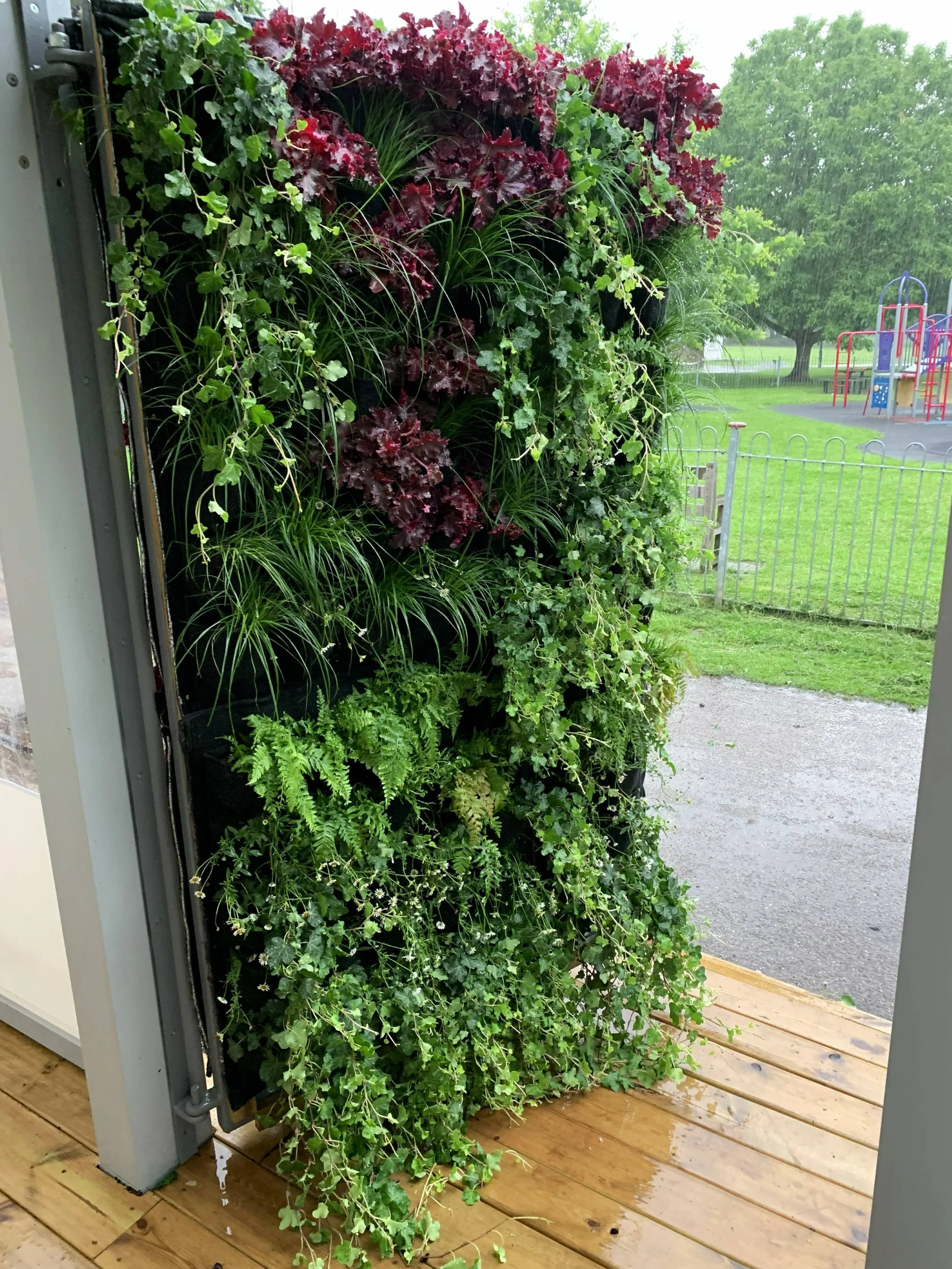
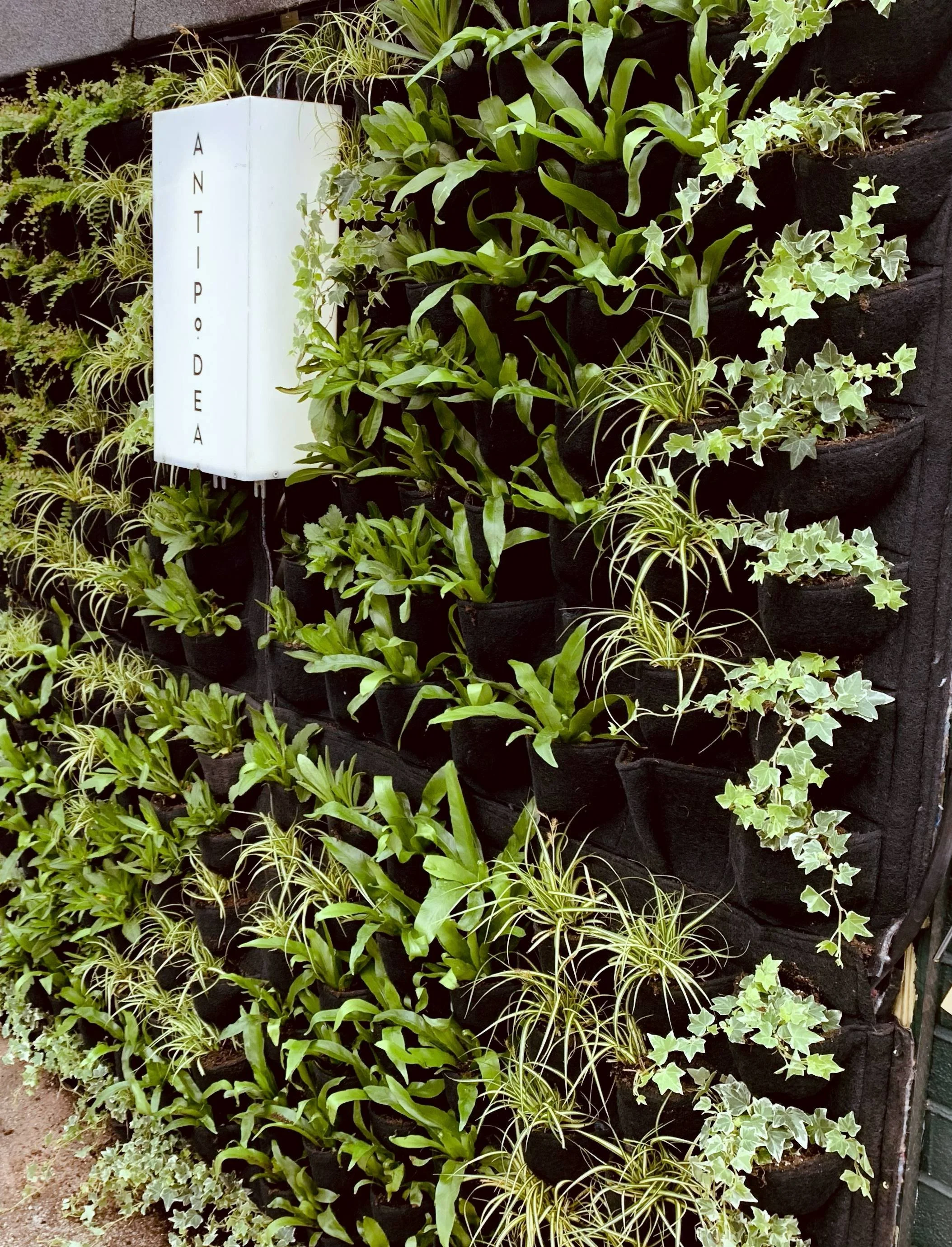
In 2021, Paul Studholme of The Plant Hunter turned a concrete Second World War gun emplacement beside the Thames at Twickenham into a planted community cafe. This included a 30 sq m living wall using the Fytotextile fabric pocket system with integrated drip irrigation, which was planted with Heuchera, Carex, Erigeron, ferns, ivy, Ajuga and Festuca glauca. It held its planting through five growing seasons of public use before the cafe closed. The Plant Hunter installs living walls across Surrey, Twickenham, Richmond and south-west London from its base in East Horsley.
Who this is for: anyone considering a living wall for a commercial frontage, cafe or restaurant setting, or a residential wall, and wanting to see one that has lasted rather than one photographed on installation day.
The setting and the brief
Radnor Gardens Cafe sits beside the Thames at Twickenham in a public park.
It began as one of the least promising structures Paul has worked on: a concrete Second World War gun emplacement facing the river.
The plan was to turn it into a small, friendly cafe for the local community as part of the Antipodea group of cafes and restaurants. It was an open-air and summer-focused venue, with no indoor seating. The brief was straightforward to say and harder to do: make an unpromising concrete structure inviting enough that people come in for coffee.
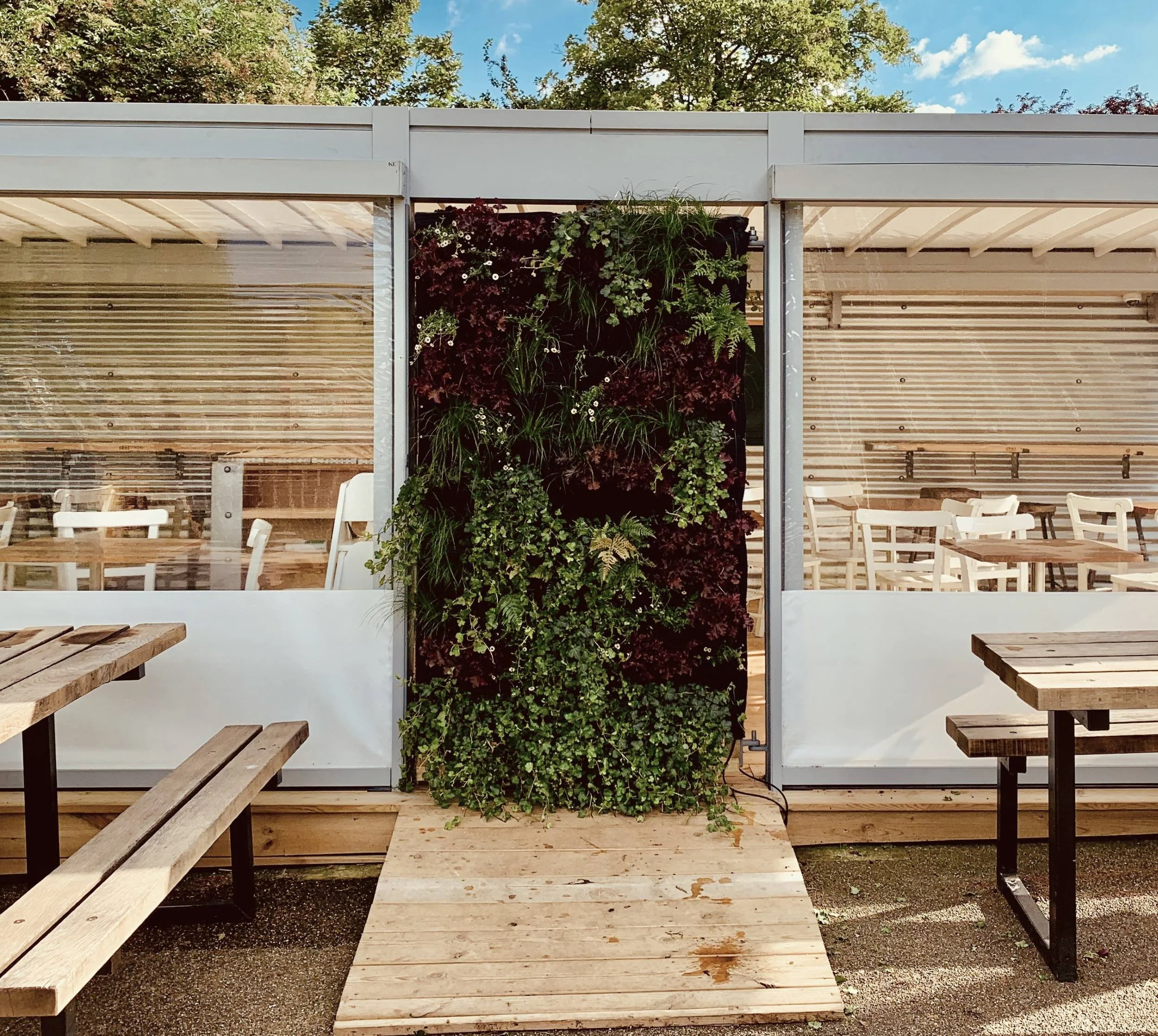
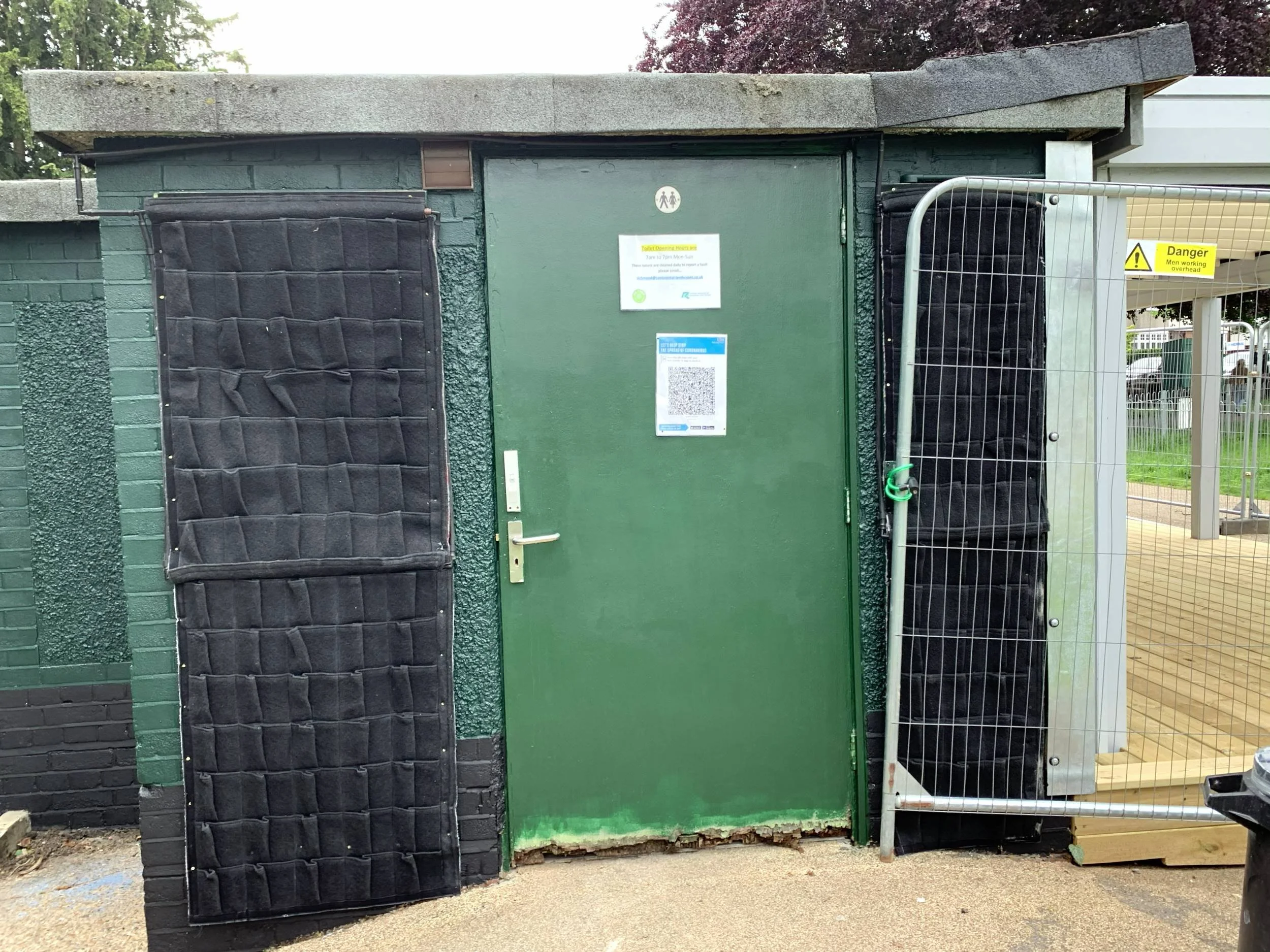
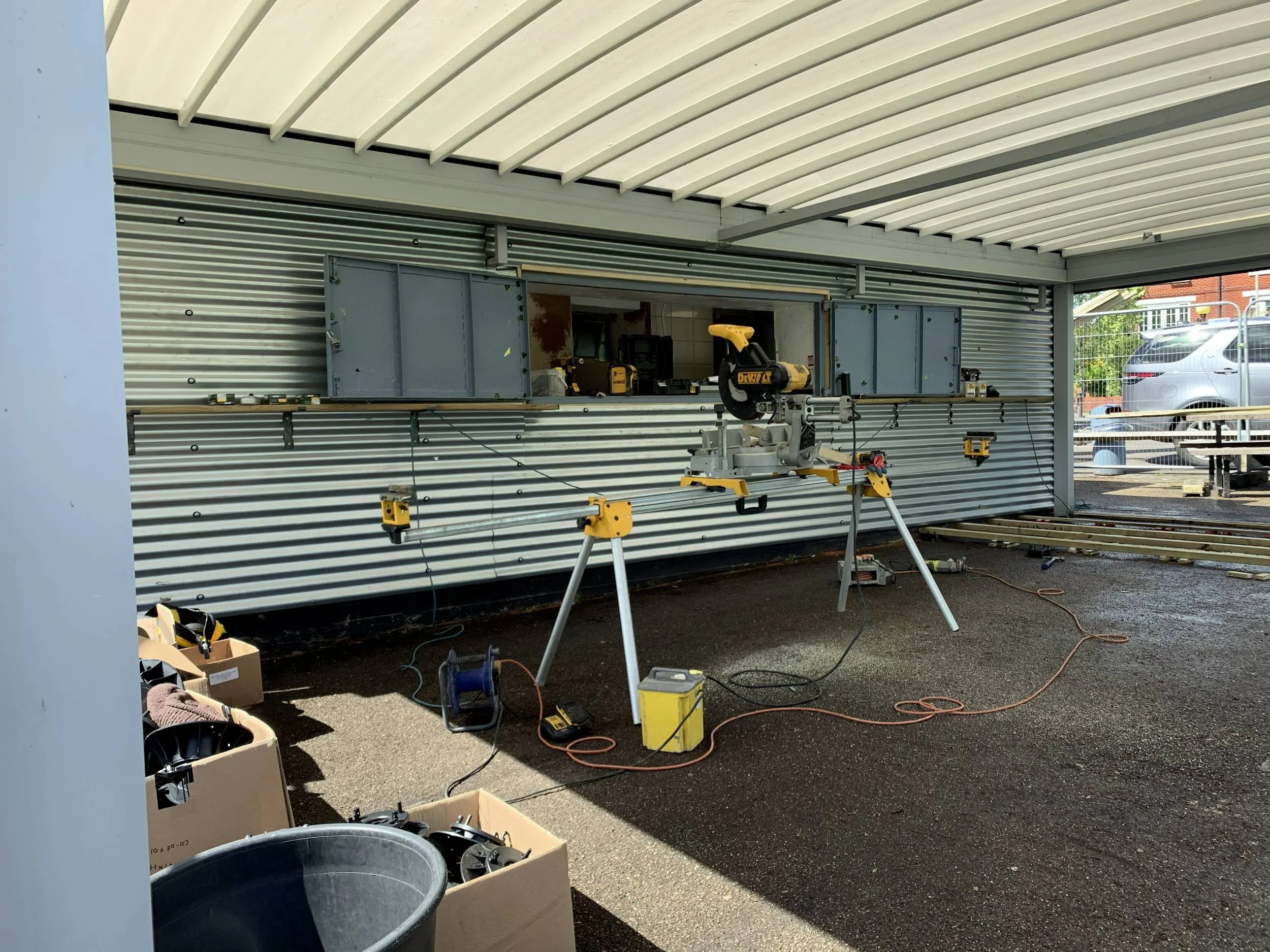
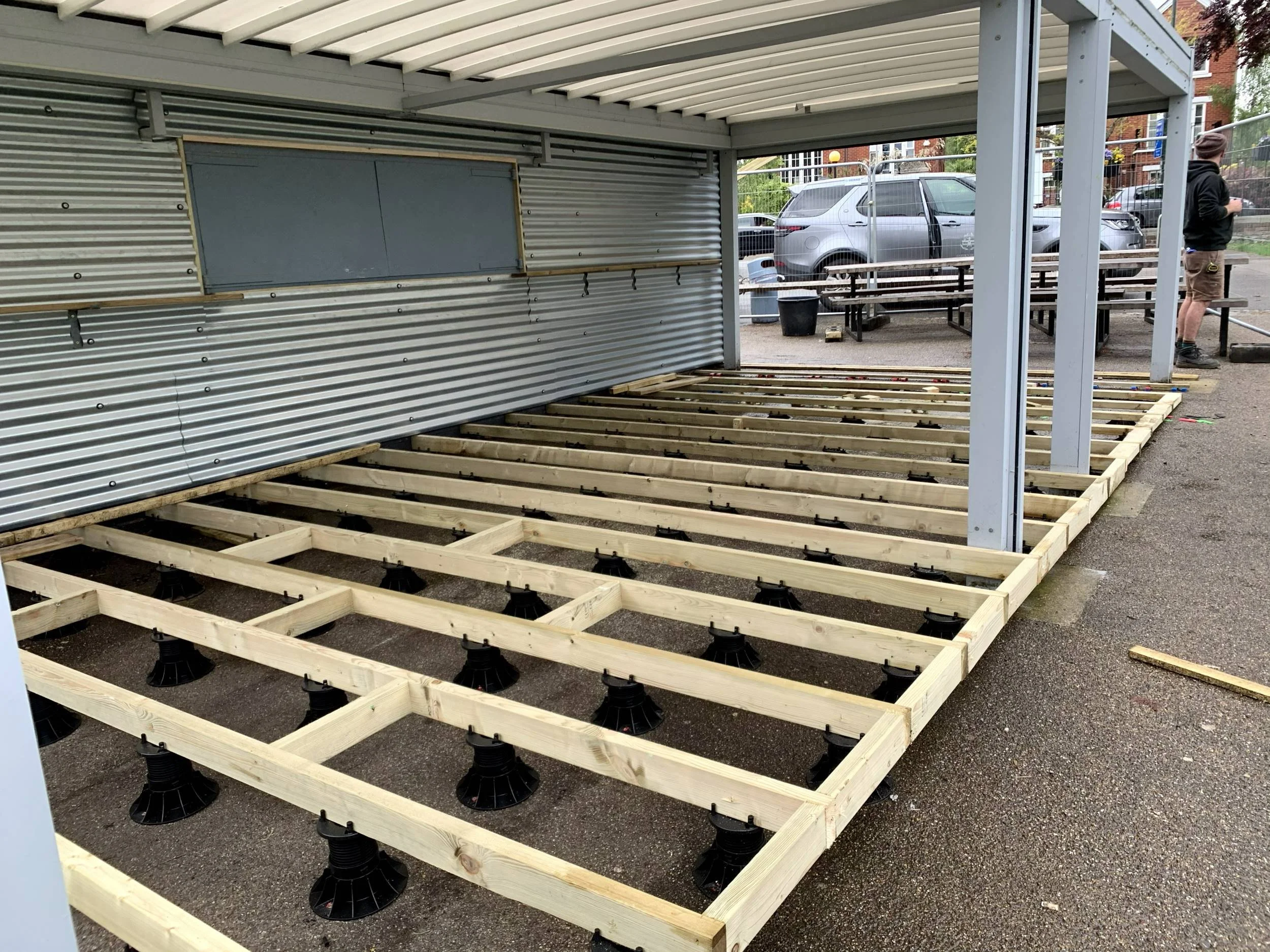
A retractable gazebo with pull-down sides was already fixed to one side of the building, giving some weather protection. Paul decked this covered area and set a living wall door at its centre, planted on both sides, then clad the sides of the concrete building with further living walls to soften the structure.
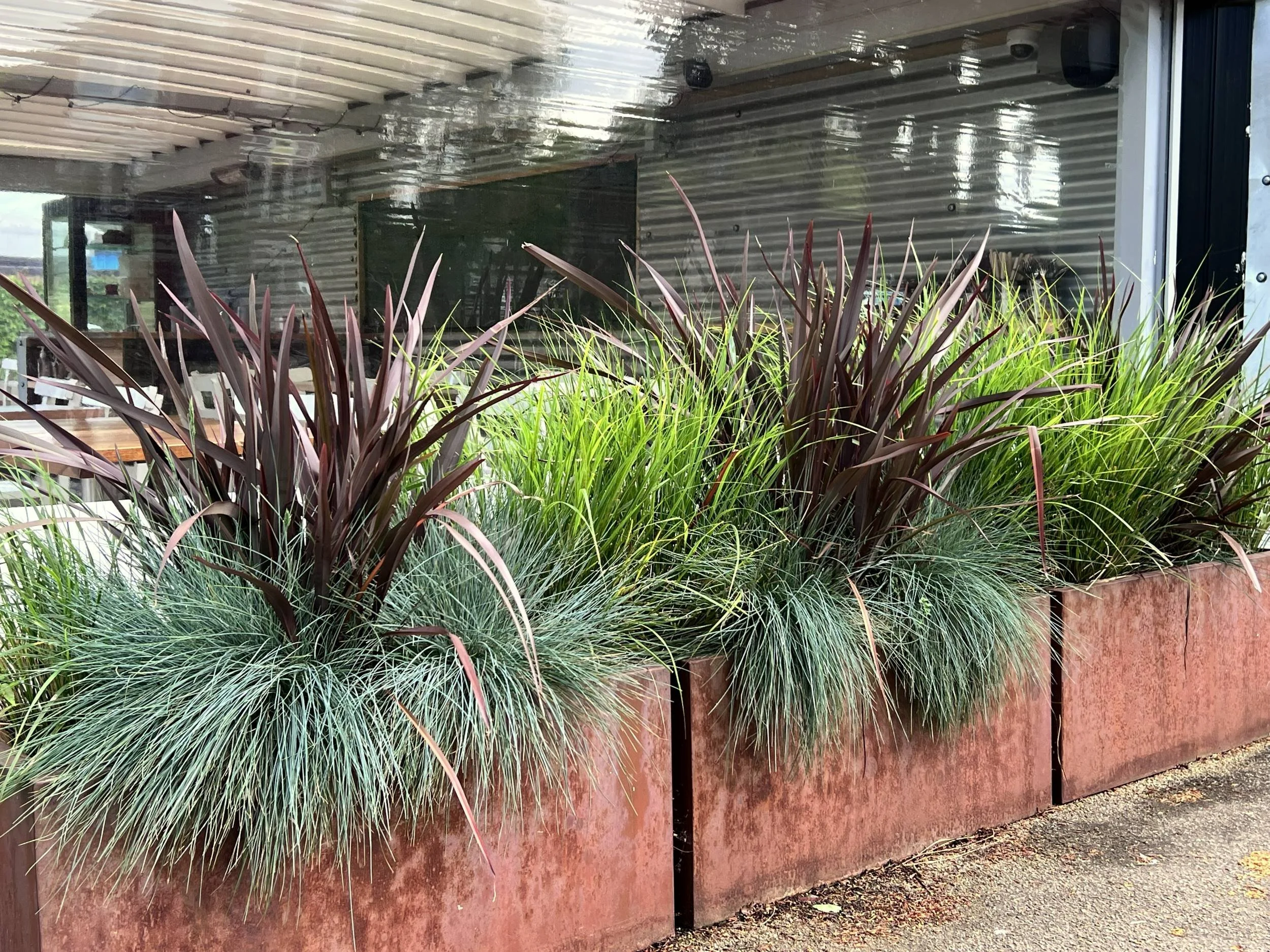
Trough planters went in around the decking and gazebo, planted with grasses and hydrangeas to break up the hard standing, and more troughs on the roof to carry Erigeron and grasses. The concrete gun emplacement ended up a soft, green planted feature in the park.
The site set two practical constraints. A water supply already existed, so the irrigation ran off it overnight, watering while the cafe was closed. And because the building sits in a park that stays accessible after hours, the water supply is secured in a locked box and the pipework hidden and kept out of easy reach.
The installation
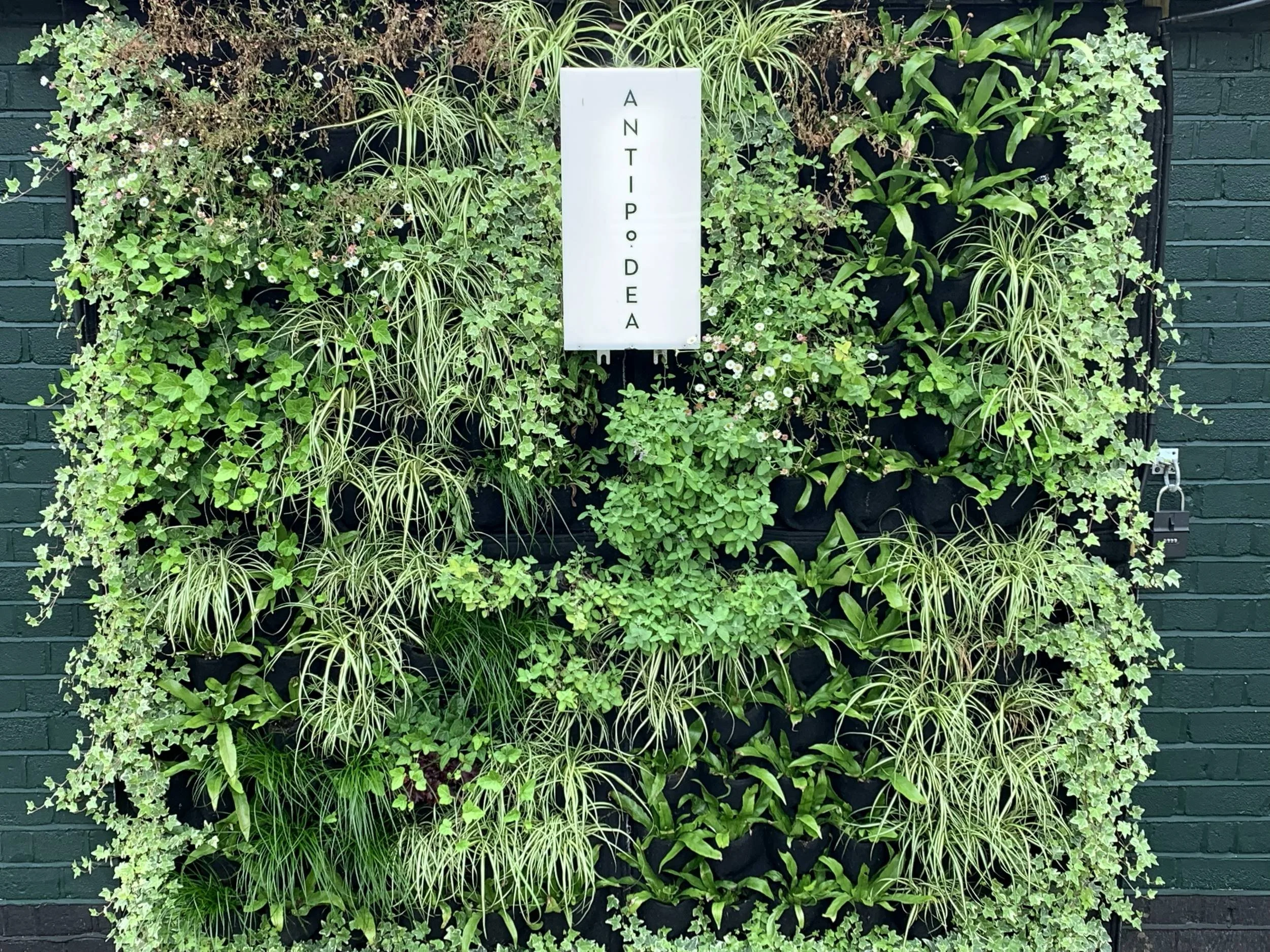
The main wall was a 30 sq m installation of the Fytotextile fabric pocket system, the system Paul uses on every living wall, with drip irrigation integrated into the panel structure from the outset rather than added afterwards. How the system works, and why the irrigation is not optional, is covered on the Living Walls page.
The planting
The planting was chosen to keep a large public-facing surface dense and presentable through the whole year, not just in summer.
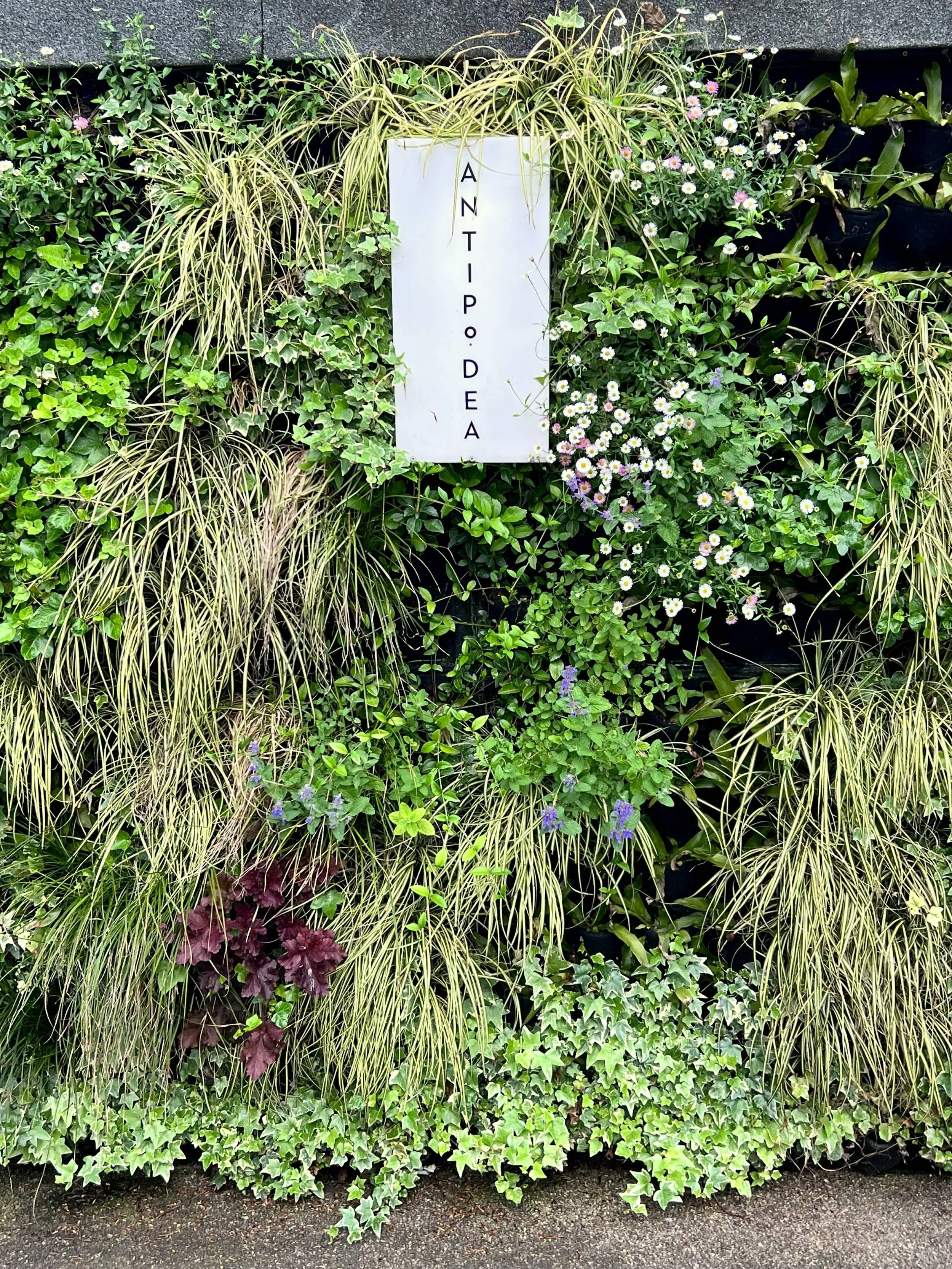
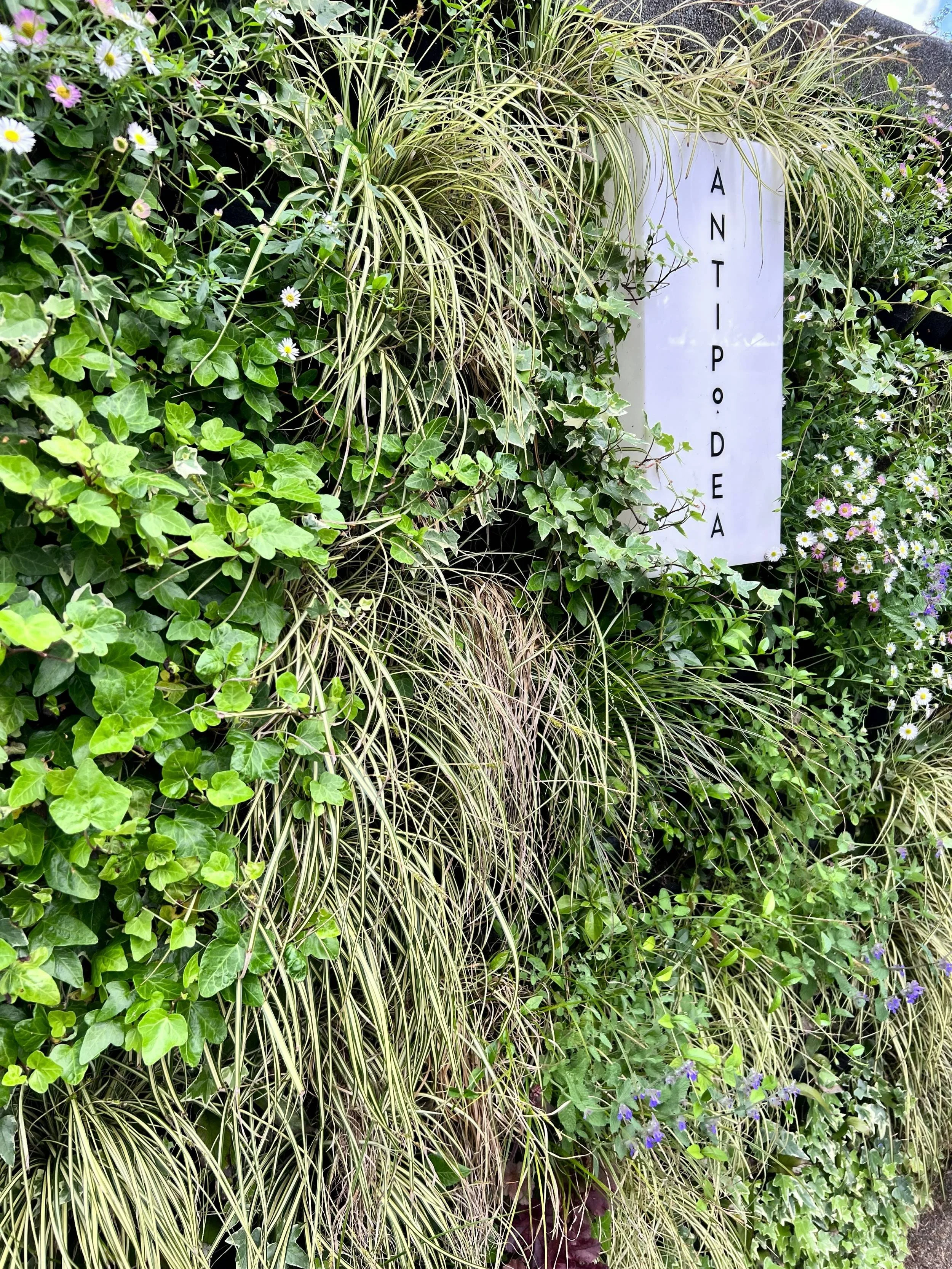
Heuchera carries foliage colour at close viewing range. Ivy gives dense, dependable evergreen coverage. Ferns bring texture that suits the softer light along the river. Erigeron flowers over a very long season, Ajuga holds colour and coverage low in the panels, and Carex and Festuca glauca provide contrasting grass texture that holds its form. Along the frontage, Phormium and Miscanthus in Corten steel planters frame the wall and tie it to the seating area.
Five growing seasons on
A living wall photographed on installation day proves very little; the test is what it looks like after several seasons of weather, growth and public use. The Radnor Gardens Cafe wall ran through five seasons of public use before the cafe closed in July 2026, and most of the planting did well.
The standout performers were Heuchera, Erigeron and ivy, with one caveat: the ivy needed keeping in check, or it would happily have taken the wall over. The one failure was Asplenium trichomanes, which was not tough enough for panels that can dry out in the middle of a sunny day, even briefly.
Maintenance settled into a steady rhythm: a light trim and housekeeping across the walls each month, and occasional plant replacement, usually in the winter months. Five seasons in, the wall has taught two lessons Paul now applies to every installation. Evergreen plants generally earn their place in a living wall, because they do not need replacing over winter. And the watering needs monitoring and adjusting through the seasons, including some watering through winter; a living wall is never simply switched off.
Discuss your living wall
If you have a commercial frontage or a garden wall that would suit a planted installation, get in touch.
Paul can assess whether the site is right for a living wall and specify the system and planting around its aspect and conditions.
Or read about Living Walls first